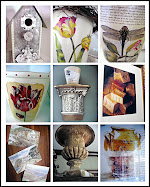
If you have traveled in Europe you will have seen how terra cotta is used profusely. Over 500 hundred years ago, Filippo Brunelleschi demanded that the roof bricks of the Santa Maria del Fiore (the Duomo) in Florence be made of Impruneta clay - they are still in place and as beautiful as ever. How is this possible?
Pieces made from the rugged, red-colored clay of Impruneta in Tuscany are the epitome of Italian terra cotta. They are durable and frost-proof to -30F. Unlike mass produced or machine made products from other countries, Italian terra cotta is made from the robust clay indigenous to northern Italy and is kiln fired at 2000 degrees F for five to seven days. This slow 'high firing' ensures that the clay is fully fused, resulting in a legendary product. These traditional methods create high quality terra cotta that is durable, frost and salt resistant, and can last a lifetime
One of my most vivid memories of Tuscany are the thousands of terra cotta pots of every shape and size, lining the sides of the road as we drove past the potteries in Impruneta - they were breathtaking.
The other areas well known for terra cotta are Umbria, where the clay is softer and used for urns and classic Renaissance shapes - these are frost-proof to -20F. Siena, where the clay is similar in color to Impruneta clay, but with a finer grain and smoother texture, pots are easier to produce which keeps costs lower - frost-proof to -10F and ages well for many years.
The materials, methods and craftsmanship used by northern Italian artisans for hundreds of years has resulted in some of the most beautiful urns, vases and containers in the history of garden design. (Collezione ~ Italy's Finest Terra Cotta)
.JPG)
Above - the terra cotta tiled roof on my brother's 200 year old house in the South of France.
Below - view across the village from the upper story of the house showing the lovely roof tops.
.JPG)

 A bunch of Hydrangeas picked today for the table on the front porch.


 Love all these natural shades of cream, tan and brown - some highly glazed and glossy, others with a matte finish.


 .........unglazed terra cotta lantern pots with a Moroccan feel - lovely with candles glowing through the cut work design.
 Needless to say, these are not inexpensive pots. Prices start high and creep upwards to several hundred dollars for the larger ones! Oh well, some of those faux stone ones are pretty too - and in my garden the old galvanized watering can always stands nearby when they dry out.
.JPG)


.JPG) Above, the construction in progress - deck pickets yet to be stained to match gazebo (Cabot Clear Cedar 3002). Below, the outdoor ceiling fan/light fixture which is great - dimmer on the light, and we had two extra outlets installed to enable plugging in a portable heater on cool days, and fairy lights for year-round decoration and a tree at Christmas.
Above, the construction in progress - deck pickets yet to be stained to match gazebo (Cabot Clear Cedar 3002). Below, the outdoor ceiling fan/light fixture which is great - dimmer on the light, and we had two extra outlets installed to enable plugging in a portable heater on cool days, and fairy lights for year-round decoration and a tree at Christmas..JPG) The finished gazebo and deck really made a huge difference to our back garden, both visually, and by giving me a space to sit and read, sometimes use my laptop etc. It makes breakfast, lunch or dinner an enjoyable time - after all nothing beats dining al fresco without having to battle flying insects!
The finished gazebo and deck really made a huge difference to our back garden, both visually, and by giving me a space to sit and read, sometimes use my laptop etc. It makes breakfast, lunch or dinner an enjoyable time - after all nothing beats dining al fresco without having to battle flying insects!


-crop.JPG)